

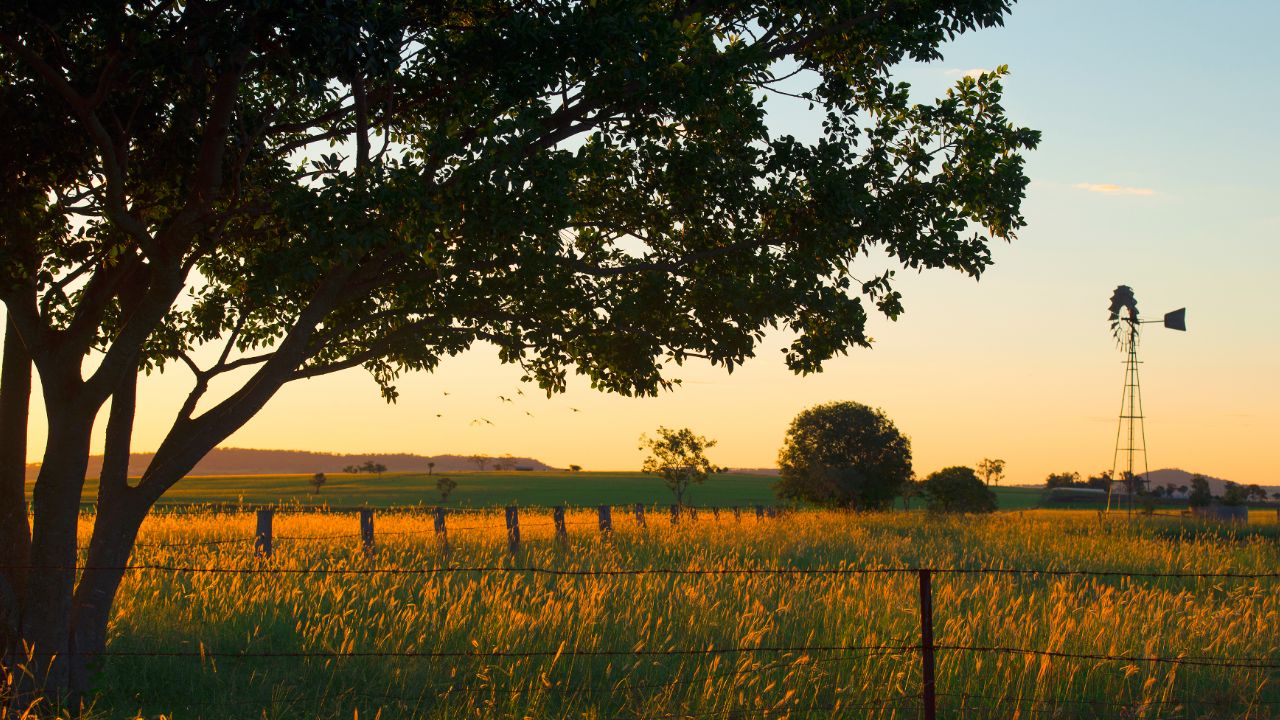
The first properly warm weekend of spring always sends the same message around Brisbane group chats. Anyone got a spot? The pool is fine, the beach is packed, and half the city wants somewhere with a bit of shade, cold water and a rock to jump off. Good news: there are plenty of options within a couple of hours’ drive, and a few of them sit almost on the doorstep.
Water temperatures are still a little sharp in late September, especially in creeks fed from the ranges. That’s part of the appeal for some people and a shock for others. Pack a towel you don’t mind getting muddy, wear shoes you can walk in wet, and go early. By 11am on a sunny Saturday, the good spots fill up.
Here’s where to point the car.
Table of Contents
Cedar Creek Rock Pools, Tamborine Mountain
Roughly an hour and a quarter from the CBD, this is the go-to for people who want a swim without a serious hike. The rock pools sit below a set of small cascades, and the water is clear and cold enough to make you gasp on the first dip. The track down is short but steep in places, and it gets slippery after rain, so proper footwear matters more than you’d think.
Parking fills quickly on weekends. If you’re heading up from Brisbane, aim to arrive before 9:30am. Afterwards, the cafes along Main Street on the mountain are an easy way to warm up over a hot chocolate, which is a mistake you’ll be glad you made.
Currumbin Rock Pools, Currumbin Valley
This one is a Gold Coast hinterland classic, about an hour and a half from Brisbane depending on the M1. The granite rocks are smooth, the water is deep in places, and locals have been swimming here for generations. It’s also a place that demands respect. Water levels can change fast after storms in the hills, and rocks that look grippy can be treacherous when wet. Check the weather before you leave and stay out of the water if it’s been raining upstream.
Parking is limited and rangers do patrol. Don’t leave valuables in the car, and keep the music down. Neighbours in the valley aren’t shy about telling visitors when they’ve gone too far.
Kondalilla Falls, Sunshine Coast Hinterland
About an hour and forty-five minutes north, Kondalilla is worth the drive if you like your swim with a proper walk attached. The rock pool at the base of the falls is reached by a steady descent, and the climb back out will remind you what your legs are for. The water is cooler than the coast, the rainforest canopy keeps everything shaded, and the falls are a decent backdrop when you’re trying to photograph your mates flinching.
Come with plenty of water and snacks. There’s no shop at the trailhead, and the climb out is the sort of thing that feels harder when you’re hungry.
Booloumba Creek, Conondale National Park
If you’re after a proper day out, this is the one. It’s around two hours from Brisbane, with the last stretch on unsealed road, so check conditions before you commit. The creek runs through a series of pools and small falls, and it suits families who can manage a bit of rock hopping. Camping is available nearby, which makes it a good overnight option for anyone wanting to turn a swim into a weekend.
Book camping ahead through Queensland’s parks booking system, especially around school holidays. Spots go quickly once the weather turns.
Brown Lake, North Stradbroke Island
Not a creek, not a rock pool, and not quite like anything else nearby. Brown Lake is a freshwater lake on Straddie with tea-coloured water, caused by the tannins from the surrounding melaleuca trees. It’s soft on the skin, calm, and much easier to enjoy with small kids than the fast-moving creeks. You’ll need the vehicle ferry or water taxi to get across, so factor in extra travel time and check the timetable.
It’s a good pick if you want a swim and a stroll without any scrambling. Take a picnic. There’s very little around to buy food at once you’re there.
Streets Beach, South Bank
Sometimes you don’t want a two hour drive. Streets Beach is right in the middle of the city, free to enter, and patrolled by lifeguards. It’s not a swimming hole in the wild sense, but it earns a mention because it’s the fallback plan that works. Sand, shallow water, shade sails, and a coffee within walking distance. On a hot weekend it fills up fast, so weekday mornings are your best bet.
A few things worth knowing before you go
Creeks and rock pools can change with almost no warning. A storm over the ranges can lift water levels hours after the rain has stopped where you’re standing. Check the Bureau of Meteorology forecast and any Queensland Parks and Wildlife Service alerts before you leave, because closures do happen for track damage, water quality, or fire danger.
Never jump into water you haven’t checked. Rocks shift, and depth isn’t always what it looks like from above. If you can’t see the bottom, don’t dive.
Take your rubbish home. It sounds obvious, but a lot of these spots are popular precisely because they’re still clean, and they won’t stay that way if visitors treat them like a bin.
Bring cash for parking at a few of the more popular trailheads, and don’t count on mobile reception. Download an offline map before you go.
When to go
Weekday mornings are the sweet spot. You’ll get the water to yourself, the light is better, and the drive is easier. If weekends are your only option, aim to be walking in before most people have finished breakfast.
The best swimming hole is usually the one you actually get to, so pick the closest option that suits your group and go. Spring in South East Queensland doesn’t last as long as it feels like it will. By the time the humidity arrives in November, those cold creek pools will be the thing you wish you’d visited more often.
Disclaimer
This article is general information only and isn’t a substitute for current, official advice. Access, closures, parking rules, fees and water conditions at natural swimming spots can change quickly, sometimes with no notice. Before you head out, check the Queensland Parks and Wildlife Service website for current alerts and closures, and check the Bureau of Meteorology for weather and flood warnings.
Swimming in natural waterways carries real risks, including hidden rocks, sudden changes in water level, cold water shock and slippery surfaces. Children should be supervised at all times, and no one should swim alone or dive into water of unknown depth. Travel times, distances and facilities mentioned above are approximate and may differ on the day. Anyone who visits these locations does so at their own risk, and this website accepts no responsibility for injury, loss or damage arising from the use of this information.